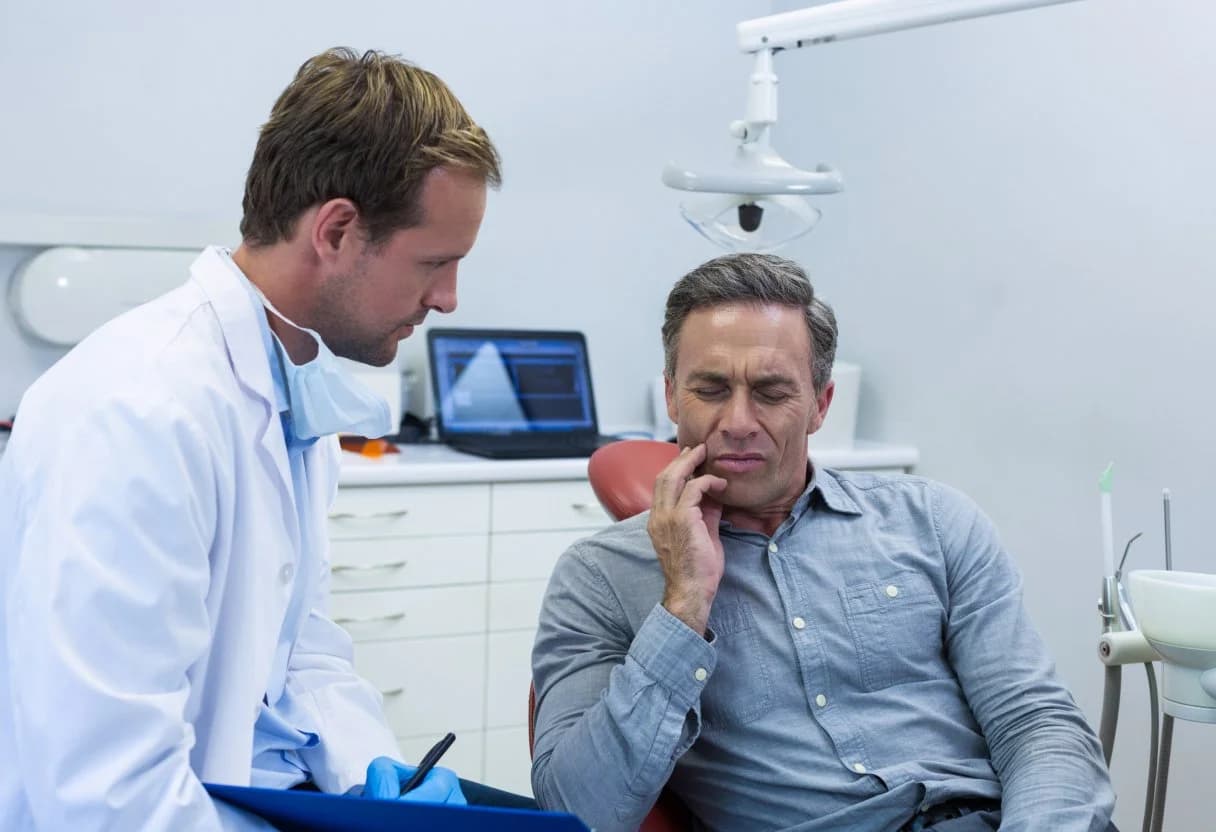
A sudden toothache, broken tooth, or mouth injury can throw off anyone’s day. Dental pain rarely waits for a convenient time, and knowing exactly what to do can make all the difference between saving and losing a tooth. In a dental emergency, acting quickly and contacting a dentist immediately gives the best chance to protect oral health and prevent further damage.
Many don’t realize that timely care can stop complications before they worsen. A chipped tooth may seem minor until it becomes painful, and swelling in the gums can signal an infection that needs immediate treatment. Staying calm and taking the right steps—like safely handling a knocked-out tooth or easing discomfort until help arrives—keeps the situation under control.
Understanding how to respond in those first few minutes helps safeguard long-term dental health. With simple guidance and a thoughtful approach, anyone can handle a dental emergency with confidence and minimize lasting effects.
Key Takeaways
Quick action protects teeth and prevents worsening damage.
Simple steps can reduce pain and stabilize the situation.
Knowing what to do builds confidence and preserves oral health.
Understanding Dental Emergencies
Dental emergencies can range from sudden pain to visible damage that needs fast attention. Recognizing symptoms, knowing what actions to take, and understanding when urgent care is necessary help protect long-term oral health and reduce complications.
Common Types of Dental Emergencies
Some dental problems can wait a day or two, but others demand immediate attention. Tooth fractures, knocked-out teeth, and severe toothaches are among the most pressing situations. These issues often result from accidents, sports injuries, or untreated decay that has reached the nerve.
A broken crown, lost filling, or cracked denture may also require quick repair to restore function and prevent further damage. Even soft tissue injuries—such as cuts to the tongue or cheeks—can cause heavy bleeding that needs professional care.
Keeping a small dental emergency kit with gauze, saline solution, pain relievers, and a dentist’s contact number simplifies handling these events. Quick and careful action can make the difference between saving or losing a tooth.
Spotting the Signs of Urgency
Pain and swelling often signal that something more serious is happening beneath the surface. Persistent, throbbing pain or pressure may point to an infection or abscess, both of which can spread quickly if left untreated. A sudden change in tooth color or sensitivity to temperature may indicate nerve damage.
Bleeding that doesn’t stop after gentle pressure, swelling of the jaw, or pus around the gums also warrant professional care. These signs show that infection or trauma may be affecting deeper tissues.
When these symptoms appear, avoiding home remedies is best. Over-the-counter pain medication can offer short-term relief, but only a dentist can identify the real cause and prevent long-term harm.
When to Seek Immediate Help
Immediate dental care is essential when pain is severe, bleeding won’t stop, or a tooth has been completely dislodged. A knocked-out tooth should be kept moist—ideally in milk or saline—and taken to a dentist within 30 minutes for the best chance of saving it.
Infection-related swelling that spreads toward the eye or neck, along with fever or difficulty swallowing, can be a medical emergency requiring urgent evaluation. Even broken restorations or dentures that affect eating or speech benefit from same-day attention.
If unsure, calling a dentist or an emergency dental clinic offers reassurance and clear guidance. Prompt care not only relieves pain but also helps preserve a healthy smile for years to come.
Immediate Steps To Take During a Dental Emergency
Quick action can protect teeth and reduce complications when unexpected dental issues arise. Staying calm and following basic first-aid measures can lessen pain and improve the chance of saving a tooth until professional care is available.
Managing Pain and Bleeding
When pain or bleeding starts suddenly, gentle but quick response helps prevent further damage. First, rinse the mouth with warm water to keep the area clean. For bleeding, apply gentle pressure with sterile gauze for about 10–15 minutes. If bleeding continues, replace the gauze and maintain light pressure.
Over-the-counter pain relievers such as acetaminophen or ibuprofen can ease discomfort. Avoid placing aspirin directly on gums or teeth; this can irritate soft tissue. Cold compresses on the cheek help reduce swelling and numb pain temporarily.
If swelling increases or bleeding does not slow after several minutes, seeing an emergency dentist as soon as possible becomes critical. Early care often stops small issues from becoming more serious infections or injuries.
Quick reference:
Handling a Knocked-Out Tooth
A knocked-out tooth requires immediate attention—timing matters. Handle the tooth only by the crown (the white top part), not the root. If dirty, gently rinse it with clean water without scrubbing or touching the root surface. Moisture keeps the cells on the root alive, improving the chance of successful reattachment.
Try to reinsert the tooth into its socket, facing the correct direction, and hold it lightly in place by biting down on gauze. If reinsertion isn’t possible, store it in a small container of milk, saline, or saliva to keep it moist. Avoid plain water, as it can damage root tissues.
The person should reach a dentist or emergency clinic within 30–60 minutes. Acting fast makes a major difference in saving the tooth and preventing long-term complications.
What To Do for Chipped or Broken Teeth
Chipped or broken teeth can range from minor cosmetic damage to painful fractures. Start by rinsing the mouth with warm water to remove debris. If bleeding occurs, apply gentle pressure with gauze. Cold compresses help control swelling and discomfort.
Collect any large tooth fragments and place them in milk or saline solution. The dentist may be able to bond or reattach them depending on the severity of the break. Avoid chewing on the affected side and stay away from very hot, cold, or hard foods.
Even small chips should not be ignored. Cracks can deepen or expose nerves, leading to pain or infection. Quick treatment allows a dentist to repair the tooth with bonding, crowns, or other protective restorations and helps preserve the natural structure.
Those experiencing sudden dental damage should contact their dentist or an emergency clinic promptly for evaluation and next steps.
What Not To Do in a Dental Emergency
During a dental emergency, small mistakes can make an injury worse or delay proper recovery. Understanding what actions to avoid helps protect teeth, gums, and surrounding tissue until professional care is available.
Avoiding Home Remedies That Can Cause Harm
Some common home treatments can irritate sensitive tissue or worsen an injury. For example, applying aspirin directly to a sore tooth or gum can burn soft tissue. Using alcohol, hydrogen peroxide, or vinegar as a rinse may cause additional inflammation and does not replace proper cleaning or antibiotics.
Patients should also avoid using super glue or household adhesives to reattach crowns, fillings, or broken tooth fragments. These products can trap bacteria or damage enamel. Instead, the safest temporary step is to store the damaged piece in a clean container with milk or saline and bring it to the dentist.
Cold compresses can reduce swelling, but do not apply ice directly to the skin or teeth. Wrapping ice in a clean cloth prevents frostbite or nerve irritation while still offering relief. Gentle rinsing with warm (not hot) water helps keep the area clean without provoking extra sensitivity.
Common Mistakes and How To Prevent Them
People often panic and take actions that increase pain or injury. One frequent mistake is delaying treatment. Even if the pain fades, the underlying issue—whether it’s infection, nerve damage, or a cracked tooth—can worsen quickly. Contacting a dentist as soon as possible is always the safest choice.
Another mistake is ignoring bleeding or attempting to stop it with rough materials. Rinsing gently and applying light pressure with clean gauze helps control bleeding without irritating the site.
Patients should also avoid poking or prodding the affected area, especially with fingers or sharp objects. These habits can introduce bacteria or loosen a clot that protects healing tissue.
Finally, continuing to eat on the injured side risks further breakage. Soft foods and careful chewing on the opposite side protect damaged teeth until a dentist can evaluate the problem. For any doubt or concern, they should call their dental office for guidance right away.
Temporary Solutions Until You See Your Dentist
When someone experiences a chipped tooth, swelling, or sudden toothache, quick at-home care can make a difference. Simple steps can help ease discomfort, protect damaged areas, and lower the risk of further injury until professional treatment is available.
Protecting Exposed Areas
If a filling, crown, or tooth fragment comes loose, protecting the exposed area prevents sensitivity and infection. They can gently clean the area with warm water and avoid touching it with their tongue or fingers. A small piece of sugar-free gum or temporary dental cement (available at most pharmacies) can safely cover sharp edges or open spots.
For a knocked-out tooth, keeping it moist is critical. They should place the tooth back in its socket if possible, or store it in milk or saline—not water—until reaching the dentist. If a tooth chip leaves a jagged edge, applying orthodontic wax can keep it from irritating the inside of the mouth.
It’s best to avoid chewing on the affected side and to stick with soft foods. This reduces stress on the injured area and helps prevent further damage.
Reducing Swelling and Discomfort
Pain and swelling often follow a dental injury or infection. A cold compress held gently against the cheek for 10–15 minutes at a time can help reduce swelling and numb soreness. Over-the-counter pain relievers such as ibuprofen can also offer short-term comfort when used as directed.
If gums or soft tissue bleed, they should hold a clean gauze pad or cloth against the area with gentle pressure. Rinsing with warm salt water—½ teaspoon of salt in a cup of water—can help reduce bacteria and soothe irritated tissue.
They should avoid heat, alcohol-based mouth rinses, or aspirin placed directly on gums, as these can worsen inflammation. If swelling increases or pain becomes intense, contacting an emergency dentist should not be delayed.
Preventing Future Dental Emergencies
Consistent oral care and thoughtful protection during physical activities greatly reduce the risk of sudden dental problems. Small daily choices—like proper brushing, diet, and equipment use—help keep teeth strong, stable, and less prone to injury or infection.
Daily Habits for Stronger Teeth
Healthy teeth rely on routine care. Brushing twice a day with a fluoride toothpaste, flossing daily, and rinsing with an alcohol-free mouthwash help prevent decay and gum irritation. These habits remove plaque before it hardens into tartar, which can weaken enamel and lead to painful infections.
A diet low in added sugars and acidic drinks also matters. Water, dairy, leafy greens, and foods rich in calcium and vitamin D strengthen enamel and support gum health. Using a straw with juice or soda can reduce acid contact with teeth.
Regular dental checkups—ideally every six months—allow early detection of small issues before they become emergencies. Dentists can spot early warning signs of decay, loose fillings, or gum inflammation and provide preventive cleanings that keep oral tissues healthy.
Together, these daily efforts maintain balance in the mouth and make unexpected dental pain far less likely.
Protective Gear for Sports and Activities
Accidents during sports are a leading cause of chipped or knocked-out teeth. Players in contact sports such as basketball, hockey, football, and martial arts should always wear a custom-fitted mouthguard made by their dentist. Unlike store-bought guards, these provide a secure fit that cushions impact and protects both teeth and soft tissues.
Individuals who grind or clench their teeth at night also benefit from night guards, which prevent enamel wear and jaw discomfort. This simple device can prevent fractures and sensitivity caused by pressure over time.
For outdoor activities, helmets and face shields add an extra layer of protection. Investing in quality protective gear costs far less than emergency dental treatment, while giving peace of mind that teeth are safeguarded every time they play or train.
Frequently Asked Questions
People often face dental emergencies outside of normal office hours or during times when care feels out of reach. Understanding practical options—such as where to go, how urgent a situation is, and what treatments are available—can ease stress and protect oral health until professional care is available.
How can I handle a dental emergency when I can't afford immediate treatment?
Those who can’t afford treatment right away should still seek professional advice as soon as possible. Many dental offices offer payment plans, reduced-fee clinics, or emergency programs that prioritize urgent cases. Community health centers or local dental schools may also provide low-cost care without long wait times.
While waiting for an appointment, over-the-counter pain relievers and saltwater rinses can reduce discomfort. The key is to avoid delaying care too long, as untreated infections or injuries can worsen quickly.
What steps should I take if I experience a dental emergency over the weekend?
If an emergency occurs on a weekend, patients should contact their dentist’s office and follow the after-hours instructions. Many practices have on-call providers who can offer immediate guidance or schedule urgent visits.
If the pain or injury seems severe—such as uncontrolled bleeding, noticeable swelling, or a knocked-out tooth—a visit to an emergency room or urgent care clinic is appropriate. Acting quickly often increases the chance of saving a tooth.
Can I get a tooth extracted at any time in case of an emergency?
Tooth extraction can be performed on an emergency basis if saving the tooth isn’t possible or if it poses a risk of infection. Urgent extractions typically happen when there’s severe pain, abscess formation, or trauma that causes irreparable damage.
Emergency dentists and some hospitals have the tools needed to perform safe extractions even after hours, though calling ahead is recommended to confirm availability.
What are some examples of dental emergencies that require urgent care?
Common emergencies include knocked-out or fractured teeth, severe toothaches from infection, uncontrolled bleeding after dental work, and injuries to the mouth or jaw. Swelling in the gums, cheeks, or face may also signal a spreading infection that needs immediate attention.
Even seemingly minor chips or discomfort can develop into serious issues if ignored. When in doubt, patients should consult a dentist to rule out internal damage.
Where can I find immediate dental care services near me?
Many dental practices list emergency contact options on their websites. Online searches for “emergency dentist near me” or calls to local dental associations can help locate open offices quickly.
Hospitals may also refer patients to nearby dental providers for follow-up care after stabilizing acute symptoms. Asking friends, family, or insurance providers for recommendations can lead to trusted emergency services.
Are hospitals equipped to deal with dental emergencies?
Hospitals can manage severe pain, swelling, trauma, or infection, especially if the issue affects breathing or jaw function. Most emergency departments focus on pain control and infection management, then refer patients to a dentist for follow-up treatment.
For less severe issues—such as broken fillings or mild toothaches—an emergency dental clinic is usually the better option. Patients benefit from seeing professionals who specialize in oral care and can perform definitive treatments, not just temporary relief.