
Dental health & smile care
Teeth Whitening in Midland, TX: A Patient’s Guide to a Brighter Smile
Published 7 min read
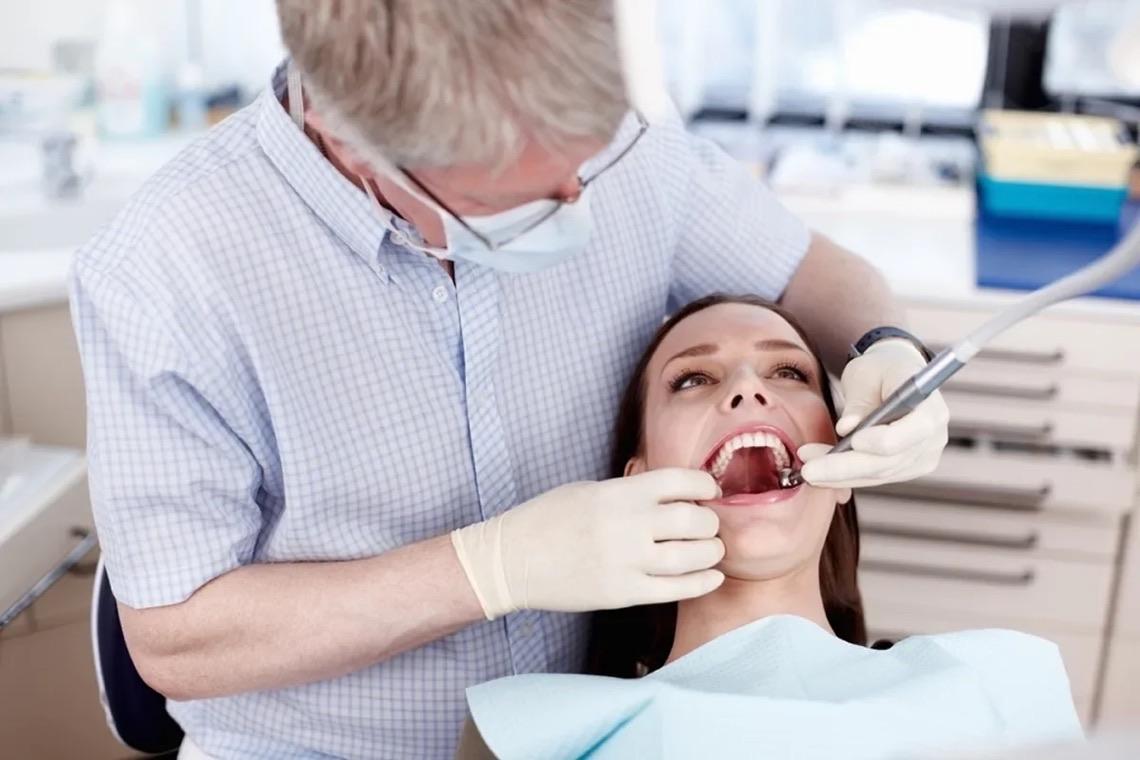
A brighter smile can make a noticeable difference in how someone feels in photos, at work, or during everyday conversations. Yet with whitening strips, toothpastes, online kits, and professional treatments all competing for attention, choosing the right option can feel confusing.
For people considering teeth whitening in Midland, TX, understanding how whitening works is the best place to begin. Professional guidance can help patients choose an approach that fits their goals while reducing the risk of unnecessary sensitivity or gum irritation.
This article provides general educational information and is not a substitute for an examination or personalized advice from a dentist. Anyone with tooth pain, gum irritation, cavities, or ongoing sensitivity should consult a dental professional before using a whitening product.
Why Do Teeth Become Stained?
Tooth color naturally varies from person to person. It can also change over time as the outer enamel becomes thinner or picks up pigments from foods and drinks.
Common causes of surface stains include:
- Coffee, black tea, and dark soft drinks
- Red wine and deeply colored foods
- Tobacco use
- Plaque and tartar buildup
- Inconsistent brushing and flossing
- Normal changes associated with aging
Not every discoloration sits on the tooth’s surface. Some color changes develop inside the tooth due to injury, medication exposure, dental development, or changes in the tooth’s nerve. These deeper stains may respond differently to whitening gel. That is one reason a dental evaluation matters before treatment begins.
How Professional Teeth Whitening Works
Most whitening treatments use peroxide-based ingredients that move into the tooth and break apart stain-causing molecules. As those molecules become smaller, the tooth reflects light differently and appears brighter.
Professional whitening does not scrape away enamel. However, whitening products must be used correctly. According to the American Dental Association’s MouthHealthy resource, overusing whiteners can harm enamel or irritate the gums. Dentist-guided treatment helps patients use an appropriate product, amount, and schedule.
It is also helpful to know that whitening results vary. Natural tooth color, the type of stain, previous dental work, and personal habits can all influence the outcome. A responsible dental team will discuss realistic goals rather than promise a specific shade.
Professional Whitening Options in Midland
Patients generally choose between in-office whitening and a dentist-provided take-home system. Both approaches can be effective, but they offer different experiences.
In-Office Whitening
In-office whitening is designed for patients who want a convenient treatment performed under direct professional supervision. Before applying whitening gel, the dental team protects the gums and other soft tissues. The gel is then placed on the visible surfaces of the teeth and monitored throughout the appointment.
The main advantages include professional oversight, careful gum protection, and faster visible changes than many store-bought products. The ADA explains that chairside bleaching often requires one office visit, although an individual patient’s treatment plan may vary.
The Dental Studio of Midland offers Zoom! whitening as part of its cosmetic dentistry services. A consultation can help determine whether this option matches a patient’s smile goals and oral health needs.
Dentist-Supervised Take-Home Whitening
A professional take-home system allows patients to whiten gradually in the comfort of home. It typically includes trays designed to fit the teeth more closely than one-size-fits-all products, along with professional whitening gel and instructions from the dental team.
This choice may appeal to someone who prefers a slower process, wants more control over the timing, or is concerned about sensitivity. The ADA notes that dentist-provided at-home whitening may take anywhere from several days to a few weeks, depending on the prescribed system and the patient’s response.
Over-the-Counter Products
Whitening toothpastes, strips, pens, and generic trays are widely available. They may help with mild surface staining, but their fit, ingredient strength, and effectiveness vary.
Whitening toothpaste generally removes surface stains through polishing ingredients rather than significantly changing the underlying color of teeth. Strips contain bleaching ingredients, but they may not contact every tooth evenly. Gel that reaches the gumline can also cause irritation.
Store-bought products are not automatically unsafe, but patients should follow package directions carefully. Using more product or leaving it on longer than directed does not guarantee better results.
Who May Be a Good Candidate for Whitening?
Whitening is often considered by adults with healthy teeth and gums who are bothered by yellowing or stains from food, beverages, or tobacco. Still, an examination is important because whitening is not the first step for every smile.
A dentist may recommend addressing the following concerns before whitening:
- Untreated cavities or cracked teeth
- Gum inflammation or recession
- Significant tooth sensitivity
- Loose or leaking restorations
- Heavy plaque or tartar buildup
- Discoloration caused by trauma or changes inside a tooth
Dental restorations also require special planning. Whitening gel brightens natural tooth structure but does not change the color of crowns, veneers, bonding, or tooth-colored fillings. If these restorations show when someone smiles, the dentist can discuss how whitening may affect the overall color match.
What to Expect Before and During Treatment
A whitening consultation usually starts with a conversation about the patient’s goals. Some people want a subtle refresh, while others hope to brighten their smile before a wedding, graduation, reunion, or professional event.
The dentist will evaluate the teeth and gums, identify visible restorations, and look for problems that could make whitening uncomfortable. A professional cleaning may be recommended when plaque or tartar is contributing to discoloration.
During in-office treatment, patients can generally relax while the dental team protects the gums, applies the whitening material, and checks the teeth throughout the visit. With a take-home system, the team explains how much gel to use, how to insert and clean the trays, and when to pause treatment if sensitivity develops.
Does Teeth Whitening Cause Sensitivity?
Temporary sensitivity is one of the most common concerns about whitening. Peroxide can pass through the enamel to the dentin layer and temporarily irritate the nerve inside the tooth. The ADA notes that this sensitivity is usually temporary.
A dentist may adjust the whitening schedule, recommend a lower-strength product, or suggest toothpaste formulated for sensitive teeth. Patients should not try to push through significant discomfort. Pausing treatment and contacting the dental office is the safer approach.
Whitening gel can also irritate the gums if it sits against the soft tissue. Custom trays, careful application, and in-office barriers can help limit this exposure.
How Long Do Whitening Results Last?
Teeth whitening is not permanent because teeth continue to encounter stain-producing foods, drinks, and habits. Results may remain noticeable for an extended period with good care, but longevity differs for every patient.
An American Dental Association discussion of whitening expectations reports that effective results can last more than a year with proper care. Individual experiences depend on oral hygiene, diet, tobacco use, the original type of discoloration, and whether occasional touch-ups are appropriate.
Ways to Help Maintain a Brighter Smile
- Brush twice daily with fluoride toothpaste.
- Floss or use another interdental cleaner every day.
- Keep regular dental cleaning and examination appointments.
- Rinse with water after coffee, tea, or other dark beverages.
- Avoid tobacco products.
- Follow the dentist’s instructions for whitening touch-ups.
- Do not combine multiple whitening products without professional advice.
Patients do not have to eliminate every favorite drink. Simple habits, such as drinking water afterward and avoiding frequent sipping throughout the day, can reduce how long pigments remain on the teeth.
How to Choose Teeth Whitening in Midland, TX
The best whitening method is not necessarily the fastest or strongest one. It is the option selected after considering the health of the teeth, the source of discoloration, sensitivity history, existing dental work, and the patient’s schedule.
When comparing options, patients can ask:
- Is the discoloration likely to respond to whitening?
- Would in-office or take-home treatment fit the goal better?
- How will sensitivity be managed?
- Will crowns, veneers, or fillings look different afterward?
- What care will help maintain the result?
- What is included in the quoted treatment fee?
Clear answers make it easier to choose treatment confidently. They also help set realistic expectations before whitening begins.
Frequently Asked Questions
Is professional teeth whitening safe?
Dentist-supervised whitening is generally considered safe for appropriate candidates when the product is used as directed. A dental evaluation can identify cavities, gum problems, cracks, or sensitivity that should be addressed first.
Will whitening work on crowns or veneers?
No. Whitening gel changes the shade of natural teeth but does not lighten porcelain, ceramic, composite bonding, or fillings. A dentist can help plan treatment when visible restorations are present.
Can yellow teeth be whitened?
Many yellow-toned surface stains respond to peroxide-based whitening, but results vary. Gray, brown, or injury-related discoloration may respond less predictably and may require a different cosmetic approach.
Should teeth be cleaned before whitening?
A cleaning may be helpful if plaque or tartar is covering the tooth surfaces. The dentist can determine whether cleaning should come first and whether any oral health concerns need attention.
Can someone whiten sensitive teeth?
Possibly, but professional guidance is especially important. A dentist may recommend treating the cause of sensitivity first or using a modified whitening schedule and sensitivity-control products.
How white should teeth become?
There is no single ideal shade. The most natural-looking result usually complements the person’s skin tone, facial features, and visible dental work. Treatment should focus on a healthy, refreshed appearance rather than an artificial or guaranteed shade.
Explore a Brighter Smile in Midland
Professional whitening can be a simple way to refresh a smile, but the right plan begins with healthy teeth and realistic expectations. A dental team can identify the cause of discoloration, explain available options, and help manage sensitivity along the way.
Patients interested in teeth whitening in Midland, TX, are invited to contact The Dental Studio of Midland with questions or to request a consultation. The practice is located at 414 Veterans Airpark, Midland, TX 79705. A personalized conversation can help determine whether in-office whitening, a supervised take-home option, or another cosmetic treatment is the most suitable next step.